White Spots on Children's Faces, Know the Causes and How to Treat Them
Mountain hypothermia is a dangerous condition that can occur when body temperature drops drastically due to exposure to extreme cold air in the mountains. This condition is quite common among climbers in Indonesia and can be life-threatening if not treated properly.
Hypothermiaoccurs when the body loses heat faster than it can produce heat, so that the core body temperature drops below 35°C. The risk of hypothermia in the mountains can be higher due to the cold air temperature in the mountains, strong winds, and unpredictable weather.
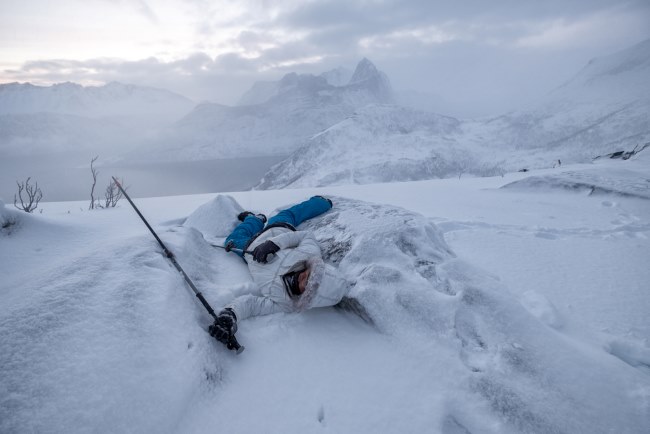
The risk of hypothermia in the mountains can be reduced with good preparation. However, unfortunately, the facilities and infrastructure for mitigation when hypothermia occurs in climbers are still quite minimal in Indonesia, even though this condition must be treated immediately because it can threaten safety.
Therefore, it is important to recognize the symptoms, as well as know the causes and how to prevent hypothermia so that climbing remains safe.
Symptoms of Hypothermia on the Mountain
In order to take action immediately, recognize the symptoms of hypothermia that can appear when climbing a mountain. Here are some symptoms to watch out for:
- Body shivering
- Skin looks pale and cold to the touch
- Bluish fingertips, nose, or lips (cyanosis)
- Confusion and difficulty concentrating
- Difficulty speaking
- Stiff hands and feet, or difficulty moving
- Slow heart rate and breathing
Mountaineers are also at risk of dehydration, especially if fluid intake is insufficient during the trip. Dehydration can worsen the body's condition, especially if it occurs together with hypothermia.
In an emergency situation like this, time is very crucial. The reason is, the longer it takes for assistance to be provided, the higher the risk of the climber's condition worsening.
Therefore, disaster mitigation and supporting infrastructure, such as shelters, evacuation posts, and communication systems on the climbing route, need to be prepared carefully to speed up handling.
However, keep in mind that natural factors and extreme weather can still be a big challenge that cannot always be controlled, even with the best preparation.
Causes of Hypothermia in the Mountains
Several factors can increase the risk of hypothermia when climbing mountains, including:
1. Rainy and windy weather
Exposure to rain and cold mountain winds can increase the risk of climbers getting hypothermia.
Because, when wet clothes and skin are hit by strong mountain winds, it can cause body heat to evaporate faster from the surface of the skin, so that the body becomes colder and at risk of hypothermia.
2. Inadequate clothing
Wearing thin or non-windproof clothing is like inviting cold air into the body. Because, without proper protection, body heat will certainly be lost quickly and you are susceptible to hypothermia on the mountain.
3. Lack of food and drink intake
Lack of food or drink while on the mountain can also increase your risk of hypothermia.
Because like a machine, the body also needs 'fuel' to work properly, including keeping the body temperature warm. Well, this 'fuel' is obtained from consuming food and drink.
If you don't eat or drink enough, your body will run out of 'fuel' faster. As a result, the body's ability to produce heat decreases and the risk of dehydration increases. This will then increase your risk of hypothermia.
4. Fatigue
Mountain climbing is very draining, especially if the path taken is steep and long. As a result, the body becomes tired.
When this condition occurs, the body's ability to produce heat will decrease drastically. As a result, you become cold more easily, even though you are wearing warm clothes.
5. Staying in one place for too long
You can also be at risk of hypothermia on the mountain if you stay in a certain position for too long. Because, when not moving much, the body cannot produce enough heat so that the body temperature will decrease.
If left untreated, this condition can trigger hypothermia in the mountains, especially at night when the air is getting colder.
How to Prevent Hypothermia in the Mountains
To avoid the dangers of hypothermia in the mountains, here are preventive steps that can be taken:
1. Wear layers of clothing
The main step to fight the cold and prevent hypothermia in the mountains is to wear layers of clothing. However, don't just pile them up. You also need to choose the right material so that this method can work optimally.
For the arrangement, start by wearing clothes that absorb sweat as an inner layer. After that, cover it with wool or fleececlothes, then cover it with a cold-resistant and waterproofjacket on the outside. That way, the body will stay warm and dry even though the weather on the mountain changes.
2. Use headgear and gloves
Don't underestimate small equipment, such as headgear and gloves. Because, these two items are 'secret weapons' to keep body heat from being lost quickly through the hands and head.
3. Consume warm food and drinks
Always provide high-energy foods, such as chocolate or nuts, and drink warm water while on the mountain. The reason is, snacks and warm drinks will help the body stay energized and keep body temperature stable, so you can avoid hypothermia on the mountain.
4. Avoid sitting directly on the ground
When resting, use a mat or thick jacket as a base. In addition to making sitting more comfortable, this method also prevents the body from directly coming into contact with the cold ground and helps maintain body temperature while on the mountain. That way, you won't easily get cold and experience hypothermia on the mountain.
5. Immediately seek shelter during bad weather
The weather on the mountain is often difficult to predict. Therefore, once the sky starts to darken or the wind blows hard, don't force the trip. Instead, immediately set up a tent or find the nearest post to take shelter.
By keeping your body dry and protected from extreme weather, you can enjoy climbing safely without worrying about getting hypothermia.
6. Don't leave wet clothes for too long
If you get caught in the rain or sweat a lot while climbing, immediately change your wet clothes to dry ones. Changing wet clothes to dry ones not only makes your body feel more comfortable, but it can also be a 'shield' so that body heat is not lost quickly and the risk of hypothermia can be avoided.
7. Follow the guidance of a local guide
For beginner climbers or those who are not familiar with the terrain on the mountain, it is important to always follow the directions of the mountain guide.
If you feel unwell, cold, or show signs of hypothermia or other symptoms, immediately notify your guide. They can help evaluate the condition and decide whether you can continue your journey or should go down and seek help.
Good coordination between climbers, guides, and the SAR team and local medical personnel is very important for everyone's safety.
Those are the symptoms, causes, and how to prevent hypothermia on the mountain. If you or your climbing partner already feel symptoms of hypothermia, immediately provide first aid. For example, by changing wet clothes, giving CPR or warm drinks, and warming the body with an emergency blanket or sleeping bag.
However, if the condition worsens and is accompanied by symptoms of severe hypothermia, such as slow heart rate and breathing, or decreased response, do not hesitate to go down the mountain and seek medical helpat the nearest post or contact SAR officers.
Label : Health


Comments
Post a Comment