White Spots on Children's Faces, Know the Causes and How to Treat Them
Vomiting after eating is often a cause for concern, especially if it occurs repeatedly. This condition can be caused by various factors, ranging from digestive problems to infections. It is important to understand the causes of vomiting after eating, so that you can take the right steps to overcome it.
Vomiting after eating occurs due to the body's reaction to disorders in the digestive tract. This complaint can also be due to other factors, such as unhealthy eating habits or stress. Vomiting after eating is usually only mild and temporary. However, if it occurs continuously or is accompanied by other symptoms, this condition should be watched out for.
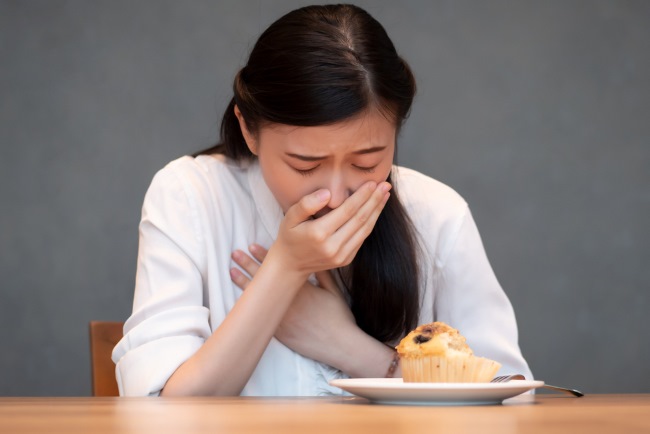
Various Causes of Vomiting After Eating
There are several common causes vomiting after eating that you need to know, include:
1. Digestive disorders
Disorders of the digestive tract, such as ulcers, gastritis, or GERD (acid reflux), can cause nausea and vomiting after eating. These symptoms are often accompanied by heartburn, bloating, or flatulence.
2. Eating too fast or too much
Eating too fast or too much can make the stomach "shocked" and trigger vomiting after eating. This eating habit causes the stomach to become full in a short time and makes it stressed. Then, the body responds with nausea or even vomiting so that excess food can be removed.
In addition, eating in a hurry also causes a lot of air to enter the stomach, making the stomach feel bloated and easier to vomit.
3. Stress
When you are stressed, the body can react by making the stomach uncomfortable. Stress can disrupt digestion and make your stomach feel nauseous. After eating, this can trigger vomiting, because the body tries to get rid of food when you feel uneasy.
4. Food poisoning
Food poisoning occurs when you consume food or drinks that contain bacteria, viruses, or toxins. When these harmful substances enter the stomach, the body automatically tries to protect itself. One way is to vomit, so that toxins or germs can be immediately removed from the body.
So, vomiting after eating due to food poisoning is the body's way of cleaning itself from contaminated food. This condition is usually also accompanied by diarrhea, stomach cramps, or fever.
5. Gastrointestinal infection
This infection occurs when the digestive tract, such as the stomach or intestines, is exposed to viruses or bacteria. These germs can come from unclean food or drinks. When an infection occurs, the stomach or intestinal wall becomes irritated and does not work normally.
As a result, the body will react with nausea and vomiting, especially after eating. In addition to vomiting after eating, gastrointestinal infections also cause other symptoms, such as diarrhea, abdominal pain, and fever.
6. Medical conditions
Constant vomiting after eating can be a sign of several medical conditions, such as thyroid disease, migraineor kidney disorders. In addition, taking certain medications can also trigger vomiting after eating.
How to Overcome Vomiting After Eating
If you experience vomiting after eating, here are some steps that can help relieve symptoms:
- Rest your stomach after vomiting by giving it a break of about 1-2 hours before consuming food or drink again.
- Eat small portions of food and chew slowly to reduce irritation to the stomach.
- Choose foods that are easy to digest, such as chicken soup, eggs, oatmeal, bananas, or fish.
- Avoid acidic, spicy, or greasy foods for a while.
- Drink water slowly to prevent dehydration, especially if vomiting occurs repeatedly.
- Sit up straight for 30–60 minutes after eating to prevent nausea and vomiting
Vomiting after eating is generally not a serious problem if it only happens occasionally. However, there are some warning signs that you should be aware of, such as vomiting continuously for more than a day, vomiting with blood, high fever, severe abdominal pain, headache, or weakness.
If you experience any of the above signs, immediately make an appointment to consult a doctorat the nearest clinic or hospital for further examination. For minor complaints, you can use the Chat with a Doctor service at Alodokter to get first aid.
Label : Health


Comments
Post a Comment