9 Sore Throat Medicines for Pregnant Women that are Safe and Effective
A 6 week fetus has experienced more development than the previous weeks, you know, Mom. At this age, several fetal organs begin to form and will continue to develop as the pregnancy progresses. So, to ensure that development runs smoothly, you always need to pay attention to your physical health.
A fetus of 6 weeks indicates that your womb is in the middle of the first trimester, precisely in the second month. At this age, the size of the fetus is still very small, namely around 0.5 cm or the size of a lentil with a large head and tail like a tadpole. Even so, this size has doubled from the previous week, you know, Bun.
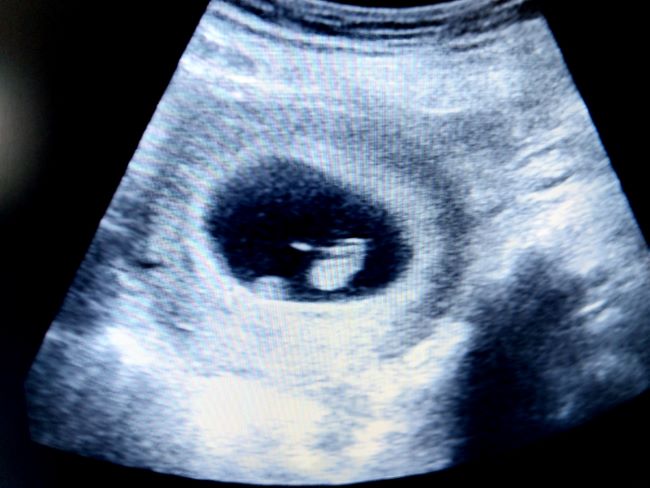
Various 6 Week Fetal Developments
Apart from increasing the size of the fetus, there are many developments that occur in the body organs of the 6 week fetus. The following is the explanation:
1. The brain continues to develop
At the age of 6 weeks, the fetal brain, which has been formed since the fetus was 4 weeks old, is now growing rapidly and forming three main parts of the brain, namely the forebrain, midbrain, and the hindbrain.
In addition, hollow tissue called ventricles also begins to form in the brain of the 6 week fetus. This cavity will later produce cerebrospinal fluid, which is fluid that will protect the brain and spinal cord. At the age of 6 to 7 weeks, the two fetal heart tubes that had formed in the previous week now bend into an S shape and begin to form the four heart chambers. Even though it is not yet fully developed, the heart of a 6 week fetus has started to beat, you know. In fact, you can hear it when you have an ultrasound, especially a transvaginal ultrasound, . While in the womb, the fetus does not need lungs because it already gets oxygen from the mother's bloodstream through the placenta. Even so, the fetus's lung buds have been forming since the age of 6 weeks. The lung buds are formed from a tube which will later become esophagus (esophagus), namely the channel for food and drink. A 6 week fetus also experiences an increase in the development of its digestive system. The fetus's intestines, which were previously formed, are now increasingly elongated. It's so long that your little one's intestines can even be pushed out of the stomach through the umbilical cord, you know, Mom. Even so, you don't need to worry because when the fetus reaches 12 weeks of age, the intestines will go back into the stomach. Apart from the intestines, several important organs in the fetus' digestive system, such as the kidneys and liver, will also develop rapidly at this age. When having a 3D ultrasound or 4D ultrasound, you may notice small black dots on the front of the head where the eyes and nostrils should be. So, the appearance of these black dots is a sign that the fetus's eyes and nose are starting to form. At this age, the ears of a 6 week fetus also begin to grow, which is characterized by small depressions on both sides of its head. Apart from that, other sensory organs, such as the tongue and skin, also begin to form at this age. The development of the 6 week fetus is also starting to spread to the external organs, Mom. At this age, the buds of both hands and feet of the fetus have begun to form. These shoots have a membrane-like structure which will later become fingers and toes. In addition to the various developments above, several endocrine glands of the fetus, such as the pituitary gland, thymus gland, and the adrenal cortex also begin to form at 6 weeks of fetal age. These glands will later produce several important hormones that will support your little one's life. To ensure that the body remains healthy and the development and growth of the 6 week fetus runs optimally, pregnant women are advised to live the following lifestyle: Apart from carrying out the tips above, pregnant women also don't forget to carry out pregnancy control regularly at the doctor's according to a predetermined schedule. This is important to do to monitor the development and health of the 6 week fetus and pregnant women until the time of delivery arrives.2. The fetus' heart continues to develop
3. The fetus' lungs begin to develop
4. The fetus's digestive system is developing rapidly
5. The five sense organs begin to form
6. Hands and feet begin to form
Tips for Maintaining Fetal Health 6 Weeks


Comments
Post a Comment