9 Signs of Lung Disease to Watch Out for
The nasal bone consists of two oval parts that form the bridge of the nose. Not only is it part of the facial appearance, the nasal bone also plays a role in forming a good channel for breathing air. However, the function of the nasal bones can be disrupted due to several conditions.
The nose is an important part of the respiratory system. Healthy nasal bones will affect overall nasal function. Apart from that, the nasal bone also gives the shape of the nose, for example sharp or snub.
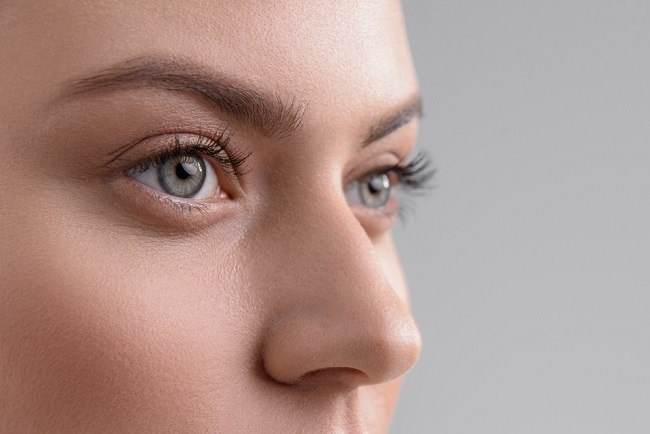
However, the nasal bones are bones that are vulnerable to injury. Therefore, you need to know the conditions that affect its function and when to immediately check if there are nasal problems.
Parts and Functions of the Nasal Bone
Even though there is a sharp or flat nose, this actually does not affect the function of the nose in the breathing process. The size and shape of the nose will actually show a person's uniqueness and differentiate your face from other people.
Unlike other body parts which generally stop growing after puberty, the nose can continue to grow as you get older. The length of the nose bone will also follow the growth of the length of the palate bone (palatine).
The nasal bone is in the upper center of the face, which is connected between the forehead and the upper jaw bone. The uppermost area of the nose is the only bony part of the nose. This part is also called the bony dome, which is the thickest part of the nose.
Meanwhile, the sides of the nose are composed of cartilage. The cartilage in the nose is connected to areas of facial bones, such as the sieve bone (ethmoid), upper jaw, bones that play a role in tear production (lacrimal), and the wall that separates the nasal cavity (septum). This part of the nose has a thin layer of skin.
The main function of the nasal bones is to protect the nerves and blood vessels in the nose. Additionally, the nasal bones that form the nasal passages are necessary for optimal respiratory passage. So, you can breathe smoothly without obstacles. Based on the parts, here are the other functions of the nasal bones:
- The dome of the nasal bones forms the top of the nose and supports the septum
- The curve of the bone between the bridge of the nose and the eyebrows, called the radix, determines the length and shortness of the bridge of the nose
- The connection of the nasal bone with the front of the upper jaw and the lacrimal bone forms the side of the nose
Conditions that interfere with the function of the nasal bones
A healthy nasal bone will help the process of circulating air, including oxygen, to the next hot channel. The nose bone is also a part that beautifies the appearance of the face. However, the function of the nasal bones can also be disrupted due to the following conditions:
1. Cracked or broken
Injuries including hard impacts to the face can damage the skull bones, including the nasal bones. Several types of injuries that can cause cracked or broken nasal bones are traffic accidents, falls, impacts, or injuries while playing sports.
A nasal bone injury can make the bone crooked and appear disproportionate. Apart from that, injuries to the nose and face area can also injure the filter bones or bones around the eyes because they are located close to the nasal bones.
2. Deviated septum
Another function of the nasal bones is to separate the right and left nasal cavities. A crooked or slanted nasal bone is also known as a deviated septum. The cause can be due to injury, birth defects, or growth of the nose that tilts to one side only.
A deviated septum often interferes with your appearance. On the other hand, this condition can also be accompanied by breathing problems, such as shortness of breath, stuffy nose, snoring, chronic sinusitis, nosebleeds, even sleep apnea.
3. Nasal bone hypoplasia
Hypoplasia of the nasal bones is a condition when the nasal bones do not develop properly during the fetal development process. Hypoplasia of the nasal bones causes the nasal bones to be shorter than normal, or even not grow at all.
This nasal abnormality is quite rare and can be a sign of genetic disorders, one of which is cat crying syndrome (cri du chat) in children.
4.Saddle nose
Saddle nose deformity is characterized by the bridge of the nose appearing sunken or concave, which resembles a saddle. Not only does it interfere with appearance, saddle nose can also interfere with breathing. This condition generally occurs due to injury, but can also be caused by syphilis and leprosy infections.
Problems with the nasal bones most often start from injury to the face or nose. So, it is important to protect yourself when doing activities, for example using personal protective equipment when exercising, and wearing a helmet or seat belt when driving.
It is also important for pregnant women to detect abnormalities of the nasal bones in children through regular pregnancy check-ups, including ultrasound examinations.
Apart from that, see a doctor immediately if you experience a nasal bone injury accompanied by a nosebleed that doesn't stop or has yellow or green nasal discharge, which indicates infection. You can also consult a surgeon for rhinoplasty if you want to change the shape of your nose to suit the appearance you want.
Label : Health


Comments
Post a Comment