Beware of Chocolate Cysts in Women
Chocolate cyst or ovarian endometrioma is a condition where sac-like tissue forms outside the uterus. This condition can be experienced by all women of childbearing age, namely at the age of 25–40 years. Even though it is not a type of cancer and generally does not cause fertility problems, chocolate kitsa still needs to be treated to prevent any complaints that might occur.
Called chocolate cysts because these cysts contain brown menstrual blood. Chocolate cysts form outside the uterus, including on the ovaries, and can cause pelvic pain and other symptoms. Cyst removal surgery is the last resort for dealing with chocolate cysts, if other treatments are unable to reduce its severity
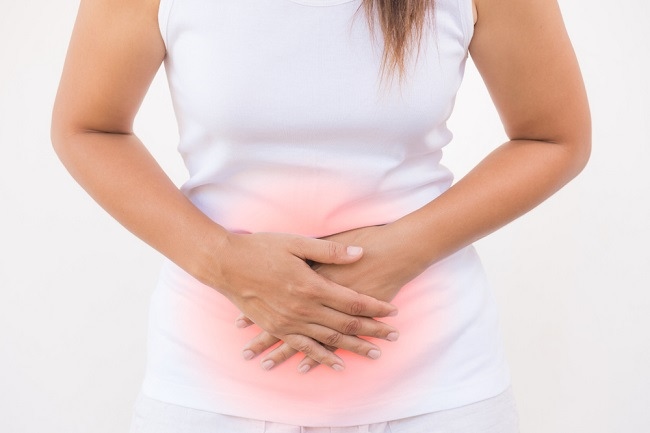
Symptoms of a Chocolate Cyst
Chocolate cysts can occur with or without symptoms. The symptoms that appear are also not related to the size of the cyst. This means that women with small cysts may experience severe symptoms, while women with large cysts may not necessarily have any symptoms.
Here are some of the symptoms of a chocolate cyst:
- Pelvic pain outside of menstruation
- Severe abdominal pain or cramps during menstruation (dysmenorrhea)
- Irregular menstruation
- Pain during intercourse (dyspareunia)
- Pain when urinating or defecating
- Infertility in some women
A chocolate cyst that bursts will cause severe abdominal pain at the site of cyst formation. This condition is a medical emergency. Therefore, immediately go to the nearest health facility if you suspect that you are experiencing this condition.
Causes of Chocolate Cysts
Until now, the exact cause of chocolate cysts is unknown. The most common theory of the cause of chocolate cysts is the result of retrograde menstruation. Menstrual blood should be released through the vagina, but in retrograde menstruation, the blood reverses direction and flows through the fallopian tubes into the pelvic cavity.
Over time, menstrual blood will accumulate to form brown cysts outside the uterus, including in the ovaries.
The Effect of Chocolate Cysts on Fertility
Chocolate cysts are known to damage ovarian tissue and increase the risk of fertility problems. However, there is no need to worry too much. Despite the risk of damage to the ovaries, many women with chocolate cysts can become pregnant naturally.
Reproductive assisted technology, such as in vitro fertilization (IVF), can also be an option if chocolate cysts make it difficult for sufferers to conceive.
Handling of Chocolate Cysts
There are several procedures for treating chocolate cysts that doctors can perform. Before determining the most suitable treatment for chocolate cysts, doctors need to know the patient's condition, including age, symptoms experienced, cyst characteristics, pregnancy plans, and gynecological history.
After the results of the examination are known, the doctor will provide various treatments. Some of the treatments for chocolate cysts that doctors will do are:
Monitoring
If the chocolate cyst is small and asymptomatic, the doctor usually only monitors the growth of the cyst that is experienced. Sometimes, the doctor will also prescribe birth control pills to slow the growth of the cyst while providing pain relief. However, prescribing birth control pills will not cure or get rid of chocolate cysts.
Laparoscopy
Laparoscopy is a surgical procedure commonly performed to remove chocolate cysts. Doctors will usually recommend this action if the chocolate cyst causes pain or is larger than 4 centimeters
Laparoscopic surgery to remove a chocolate cyst with the characteristics as above can also prevent the risk of impaired fertility that may be caused by a chocolate cyst.
Hysterectomy or oophorectomy
If the cyst is 4 centimeters or more and the patient is no longer planning to become pregnant, the doctor may perform an operation to remove the uterus (hysterectomy) or an operation to remove the ovaries (oophorectomy). This operation is performed to prevent the severity and recurrence of chocolate cysts, as well as to remove tissue damaged by cysts.
If you feel the main symptoms of a chocolate cyst, either severe abdominal pain during menstruation or recurrent pelvic pain outside of menstrual periods, consult a doctor. Later, the doctor will carry out an examination to determine the cause of your complaint. After that, the doctor will determine the most appropriate treatment steps for your condition.
Label : Health


Comments
Post a Comment