Get to know the structure of human muscles based on their types
Muscle structure in the human body is divided into several types, namely skeletal muscle, smooth muscle, and cardiac muscle. Each of these muscle structures has different shapes, parts, ways of working, and functions.
The human muscle structure is made up of muscle cells (myocytes) and muscle fibers (filaments). Muscle fibers themselves are divided into two types, namely thick muscle fibers (actin) and thin muscle fibers (myosin). Both function to regulate muscle contraction and relaxation
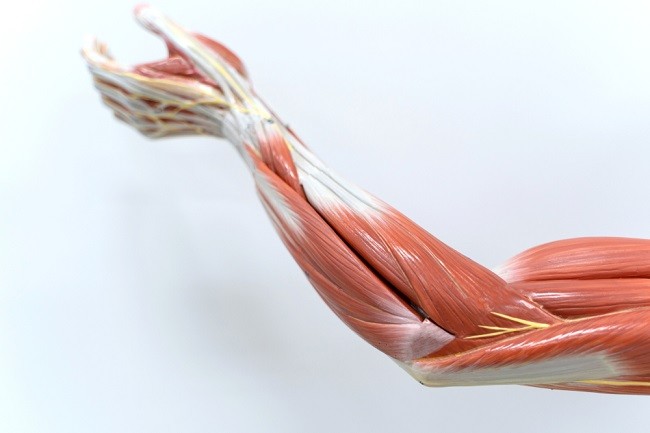
Based on its function and shape, there are three types of muscles that make up the human muscular system, namely skeletal muscles, smooth muscles, and cardiac muscles. To understand it better, see the explanation of each of these muscle structures below.
Skeletal Muscle Structure
Skeletal muscles are muscles attached to bones. These muscles are made of hundreds to thousands of muscle fibers and skeletal muscle cells. Skeletal muscle cells are striated in shape and have many nuclei. Therefore, skeletal muscles are also called striated muscles
Aside from skeletal muscle cells, there are also other parts that make up the structure of skeletal muscles, namely:
- Tendon, the base of the muscle that attaches to the bone
- Epimisium, the layer that encloses a single muscle tissue
- Muscle filaments, muscle fibers that contain actin and myosin
- Fasiculus, a collection of fibers in the muscle
- compartments, bundles of fascicles
- Perimisium, covering one fasciculus
- Endomysium, the lining that covers each muscle fiber
Unlike the other two types of muscles, skeletal muscles work consciously or not automatically. So, you can control it to make this muscle move or work.
Smooth Muscle Structure
Smooth muscles are muscles that can be found in almost all organs of the body. Muscle cells are shaped like spools of thread with a single cell nucleus in the middle, while the fibers are finer in texture
Following are the parts that make up the structure of smooth muscle:
- Filaments (muscle fibers), composed of actin and myosin
- Dense body or dense body, to bind between muscle fibers
- Autonomic nerves, to control smooth muscle work automatically
There are many functions of smooth muscle because these muscles are present in almost all organs of the body, such as blood vessels, stomach, intestines, and urinary tract. Some examples of smooth muscle functions are helping digestion and absorption of nutrients, controlling blood pressure, and excreting urine
Unlike skeletal muscles, smooth muscles work automatically or unconsciously because they are controlled by the autonomic nerves. So, this muscle can still move even if you don't control it.
Cardiac Muscle Structure
Cardiac muscle is a muscle that is located only in the heart. This muscle cell has a striated appearance similar to skeletal muscle, but the shape of the muscle cell is branched and only has one cell nucleus. There are several parts that make up the structure of the heart muscle, namely:
- Epicardium, the thin outer layer that surrounds the heart muscle
- Endocardium, the layer that covers the inner heart muscle
From the explanation above, it can be concluded that there are three types of muscle structures that make up the human muscular system, namely skeletal muscle structures, smooth muscle structures, and cardiac muscle structures.
Thanks to its diverse structure, muscles have many important functions for the body so that certain diseases or medical conditions can disrupt their function.
Symptoms of impaired muscle structure may include muscle pain, difficulty moving, muscle weakness, or certain organ disorders, such as the digestive organs. If you experience symptoms of health problems that occur continuously, you should consult a doctor so you can find out the cause.
Label : Health


Comments
Post a Comment