Cataracts in Dogs, Recognize the Various Causes and Symptoms
There are various causes and symptoms of cataracts in dogs. As a dog owner, information about this is important for you to know. The reason is, cataract is a disease that often causes visual disturbances or even blindness in dogs.
Cataracts are a condition when the normally clear or transparent lens of the eye turns cloudy. This makes light unable to enter the eye, so that vision becomes impaired. Cataracts can occur in humans and animals, one of which is dogs.
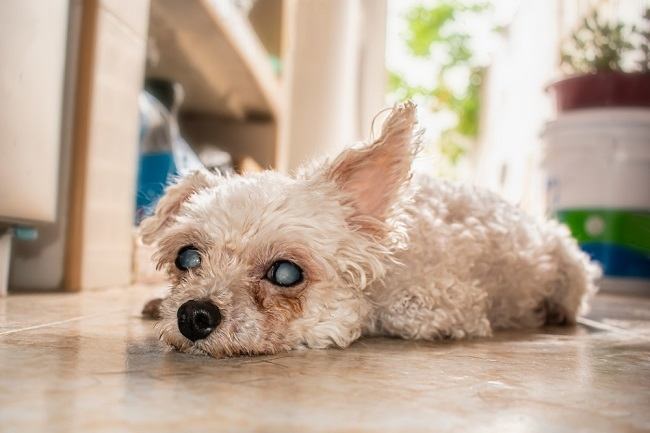
Just like humans, getting older can be a cause of cataracts in dogs. However, besides the aging factor, there are various other things that can also trigger cataracts in dogs.
Causes of Cataracts in Dogs
As previously mentioned, the most common cause of cataracts in dogs is aging. In addition, there are also several other factors that can cause cataracts in dogs, namely:
- Genetic or hereditary factors
- Deficient in nutrients, such as amino acids and calcium
- Excessive exposure to sunlight (UV)
- Diabetes
- Eye disease, such as glaucoma or inflammation of the uvea of the eye (uveitis)
- Injury to the eye, for example from chemical exposure or electric shock
In addition, some dog breeds, such as Boston Terrier, Labrador Retriever, Bulldog, Poodle, Cocker Spaniel, and Siberian Husky, are also more prone to developing cataracts.
Symptoms of Cataracts in Dogs
Cataracts don't always have obvious symptoms, especially when they're still in their early stages. However, if not treated early, cataracts in dogs can get worse and cause the following symptoms:
1. Whitish patches on the eyes
The most common symptom of cataracts in dogs is the appearance of cloudy white patches in the eyes. These patches will appear more clearly when the eye of the dog affected by cataracts is illuminated. This whitish patch can appear in one or both eyes.2. Blurred vision
Cataracts in dogs can interfere with their vision. This makes the dog look like it often bumps or trips over something.
In severe cases, cataracts in dogs can even cause the dog to become blind. This usually occurs when the cataract has clouded the entire lens of the dog's eye.
3. Difficulty interacting with others
Visual impairment can make it difficult for a dog with cataracts to recognize new people around him. This can make him anxious or even scared when meeting new people. As a result, dogs will be more aggressive when touched by new people they don't know
4. Pain in the eye
Cataracts generally do not cause pain in the eye. However, if caused by inflammation, glaucoma or an eye injury, it can make the dog feel painful and scratch or blink its eyes a lot.
If cataracts are caused by diabetes, you may notice some changes in your dog, such as frequent urination and more drinking, changes in appetite, and weight loss.
In most cases, cataracts in dogs cannot be prevented, especially if the cataracts are due to heredity or other medical conditions, such as diabetes. However, to ensure that your dog's eyesight is maintained, you need to take your beloved pet to the vet regularly.
Cataract Treatment in Dogs
The only treatment step that can be done to cure cataracts in dogs is eye surgery. Before starting the operation, the veterinarian will do an examination and preparation first to ensure that the dog with cataracts is safe to undergo surgery
Even so, in dogs whose conditions do not allow them to undergo eye surgery, the doctor will provide certain treatments to slow the development of cataracts, for example by administering antioxidant supplements.
Those are important information about dog cataracts that are important for dog lovers to know. If you keep a dog at home and he seems to have symptoms of cataracts, you should immediately check your dog to the vet, OK.
Label :


Comments
Post a Comment