Important for Health, This is How to Maintain Quality Sleep in a Pandemic Time
In some people, baby teeth do not fall out even though they are adults. In fact, baby teeth generally fall out and are replaced by permanent teeth at the age of 6 or 7 years. Know what causes it and how to deal with it.
The condition of baby teeth that doesn't fall out until adulthood is known as the persistence of primary teeth. In general, the persistence of primary teeth is more common in canines, second molars, and side incisors.
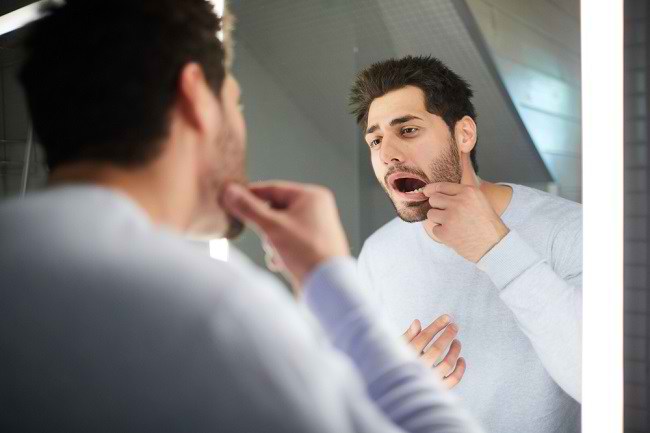
Causes of Milk Teeth Not Done as Adults
The main cause of the persistence of primary teeth is the absence of permanent teeth or permanent teeth that will replace baby teeth. This condition is a genetic disorder in the teeth called hypodontia.
Apart from the absence of permanent teeth, there are a number of other factors that make baby teeth stay in the jaw, including:
- Ankylosis or the condition where the root of the tooth is attached to the supporting bone
- Hyperodontia or excess number of baby teeth
- Impacted teeth or permanent teeth cannot grow properly
- Inflammation of the gums
- Oral trauma and infections
Not only that, the persistence of primary teeth can also occur due to disorders of the endocrine glands, for example in hypothyroidism or decreased thyroid hormone production, so that permanent tooth growth is delayed.
How to deal with untamed milk teeth as adults
To treat non-falling baby teeth, first examination by a dentist is required. This examination aims to determine the correct diagnosis, cause, and treatment plan according to the patient's persistence condition.
The following are some actions to treat unmanned baby teeth:
1. Installation of dental crowns
Baby teeth that persist until adulthood will appear smaller when compared to permanent teeth. This can interfere with one's appearance and self-confidence, especially if the persistence of the primary teeth occurs in the front teeth.
One of the treatments to overcome the persistence of primary teeth is the installation of dental crowns which aim to protect and improve the appearance of the baby teeth.
However, crown placement can only be done when the baby teeth are still healthy and functioning properly. In addition, this procedure is also best done if there is no permanent tooth that can replace the baby teeth.
2. Extraction of baby teeth
The procedure for extracting milk teeth can be performed if the condition of the baby teeth has become untenable or has caused health problems in the oral cavity.
For example, the persistence of primary teeth which causes the teeth to fall out or overlap, so bacteria can more easily accumulate and cause health problems in the teeth and mouth.
3. Braces
To grind your teeth after a baby tooth extraction procedure, your doctor may suggest braces. In addition, braces can also be installed to overcome untidy or loose tooth alignment due to the persistence of primary teeth.
4. Dental implant placement
Another procedure that can be done after the extraction of baby teeth is the insertion of dental implants. The implant is an artificial tooth root shaped like a bolt that is implanted into the jaw to replace the missing tooth root.
The dental implant will then be fitted with a dental crown to replace the extracted baby tooth. This procedure can be an option to treat the gap between teeth if braces cannot be done due to the absence of permanent teeth that can replace the extracted baby teeth.
Risks of Leaving a Milk Tooth Undated as an Adult
The persistence of primary teeth that is not handled properly can cause health problems, both in the dentition process and on the health of the gums and mouth.
Some of the main problems caused by the persistence of primary teeth are:
Infraoclusion
Infraocclusion is a condition in which permanent teeth begin to grow next to baby teeth that have not yet fallen out. This makes the baby teeth lower and has a different shape from the adjacent permanent teeth.
The height difference between baby teeth and permanent teeth can lead to other teething complications, such as crooked and imperfect teeth.
Occlusion trauma
Trauma to occlusion is damage to the tissue around the teeth, such as the gums and bones that support the teeth, due to the pressure between the teeth that is too strong. This condition occurs because the size of the baby teeth is different from the permanent teeth, causing the position of the upper and lower teeth to be misaligned or uneven.
Diastema
Diastema or gap between teeth occurs due to the small size of the baby teeth, causing the formation of gaps or gaps between one tooth and another. Diastema can make your teeth and smile look less attractive.
In addition to the aforementioned dental development disorders, the persistence of primary teeth that have not been treated can also cause various other health problems, such as cavities, gum infection or periodontitis, and loss of bone supporting the teeth.
Therefore, if you have a baby tooth that has not fallen out as an adult, immediately consult a doctor for proper treatment. This is important before the persistence of your primary teeth causes complications to the teeth and mouth.
Label : Health


Comments
Post a Comment