Here's How to Use the Correct Female Condom
Dermatologist and genital consultation is necessary if there are complaints on the skin or genitals, especially if the complaints do not go away or get worse. Find out what conditions this specialist doctor can handle and what needs to be prepared before consulting.
Dermatology and genital doctors are specialists who specialize in diagnosing and treating various problems or diseases of the skin and genitals, including problems with hair, nails, and the lining of the mouth, nose and eyelids.
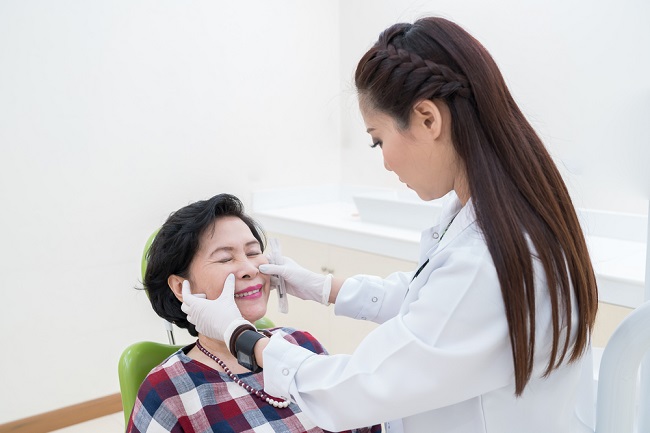
Various Diseases Treated by Dermatology and Venereology
Dermatology and genitalia are able to treat more than 3,000 conditions affecting the skin, genitals, hair or nails, both in children and adults.
The following are some of the skin diseases that are often treated by dermatologists and genitalia:
- Inflammation and skin irritation, including eczema, allergic reactions, and rashes
- Viral, bacterial, fungal and parasitic infections
- Itchy or scaly skin
- Psoriasis
- Scars, including acne scars and burn scars
- Skin cancer
- Acne
- Changes in skin color or pigmentation
- Warts, cysts, moles, or other abnormal growths on the skin
- Signs of aging, such as wrinkles, sun damage, or sagging skin
- Hair loss
- Dandruff
- Nail problems, such as spots, discoloration, and nail separation
Meanwhile, venereal diseases that are often handled by dermatologists and genitalia include:
- Syphilis
- Gonorrhea
- Chlamydia
- Human papillomavirus (HPV)
- Pubic lice
- Herpes
Preparation before Dermatology and Venereology Consultation
Before consulting a dermatologist and genitalia, you should prepare the following things:
- Check your health insurance, whether you need a referral from a general practitioner or not.
- Record all changes and problems to the skin, including moles with an abnormal shape, new bumps, or changes in skin color.
- Write down all the questions you want to ask, to make sure you don't forget to ask them during the consultation.
- Bring a copy of previous examination results or medical history documents if you have one.
- Keep a record of all the drugs and supplements you take. If necessary, bring the medicine and its packaging to show to the doctor.
- A photo that lists the composition of the products you use for skin care, such as body wash, face wash, serum, or lotion, especially if you experience a rash or skin irritation.
Examination During Dermatology and Venereology Consultation
To diagnose and treat your complaint, a dermatologist and genitalia will ask about your symptoms and your medical history.
After that, the doctor will examine the body part or area that has a complaint. If deemed necessary, the doctor will also conduct a thorough examination, starting from the scalp to the soles of the feet. In order for the examination to run smoothly, there are a number of things you need to pay attention to, including:
- Remove nail polish so the doctor can examine the nails thoroughly.
- Avoid using hair ornaments or hairdos that are difficult to put on, so that the doctor can easily examine the scalp.
- Wear clothes that can make it easier for the doctor to examine the affected part
- Do not use makeup before consulting a dermatologist and genitalia doctor, so that your facial skin is clearly visible.
- Do not wear accessories that can cover the problem areas of the skin.
If the initial examination finds anything doubtful, the doctor may perform investigations, such as blood tests, allergy tests, skin scrapings, or biopsy, to confirm the diagnosis.
When you have concluded the diagnosis of your complaint, a dermatologist and genitalia will provide treatment that is suitable for your condition. Treatment can be in the form of medication, skin care procedures, medical procedures, or minor surgery.
Dermatologists and genitalia also have a role in preventive efforts, namely efforts to prevent or reduce the risk of skin problems in the future. Skin problems that can be prevented include premature aging and skin cancer. Therefore, do not hesitate to regularly consult a dermatologist and genitalia.
Make the most of your consultation time with a dermatologist and genitalia. If there is something you still don't understand, don't hesitate to ask questions until you understand it. If necessary, repeat or draw brief conclusions at the end of the conversation with the doctor to ensure that the information you receive is correct.
If you still have questions after having a direct consultation with a dermatologist and genitalia doctor, you can ask questions via chat with a dermatologist and genitalia doctor on the ALODOKTER application.
Label : Health


Comments
Post a Comment