5 Benefits of Beluntas Leaves for Health
The side effects of a CT scan may arise from the use of contrast agents, which are substances that are used to clarify images or display the condition of organs in the body. In addition, CT scan side effects can occur due to excessive radiation exposure if the CT scan is done too often.
CT scan is a type of radiological examination that is performed to see the condition of the organs in the area. inside the body. These tests are often needed to diagnose medical conditions or illnesses, guide medical procedures, and monitor the response to certain medications, such as chemotherapy.
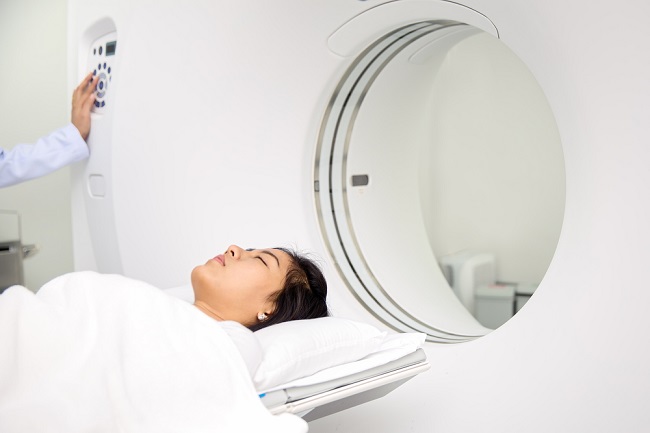
Although generally safe, CT scans can also cause some side effects, especially for children and pregnant women.
Side Effects of CT Scan Important to Know
CT scans are generally safe to perform. However, just like any other medical procedure, this examination can also have some side effects. The following are some of the side effects of CT scans that can occur:
Reactions to contrast agents
CT scans can be done in 2 ways, namely CT scans with contrast agents or without contrast agent. The process of scanning a CT scan using a contrast agent is needed to clarify the image quality of a particular organ, structure, blood vessel, or tissue to be monitored.
Contrast substance on a CT scan is mostly made of iodine and is used by injection through blood vessels before the patient undergoes the CT scan procedure.
The use of this contrast agent can cause allergic reactions and affect the performance of organs, such as the kidneys. Therefore, the use of contrast agents is usually not recommended for patients with certain diseases, such as diabetes, asthma, heart disease, thyroid disorders, or kidney disease.
These are the side effects of using contrast agents on a CT scan. Frequently encountered:
- Mild allergic reactions, such as rashes, itching, and swelling of the skin
- Cough
- Dizziness
- Stomach cramps
- Constipation
- Nausea and vomiting
Although rare, contrast agents can sometimes cause severe allergic reactions or anaphylaxis. Symptoms usually include shortness of breath, swelling of the face, obstruction of the airway, and a fast heartbeat. If not treated immediately, anaphylaxis can lead to seizures, coma, and even death.
To prevent side effects from contrast agents, patients who have a history of allergies or are at high risk of allergies may be given antihistamines and corticosteroids first by the doctor before injecting a contrast agent.
Excessive radiation exposure
The CT scan makes use of high-power X-ray radiation. Exposure to this high level of radiation can be dangerous and can damage the DNA of body cells, thereby increasing the risk of developing cancer.
However, this risk is very small in people who have occasional CT scans. The increased risk of developing cancer due to CT scan side effects generally only occurs when a person frequently performs the procedure.
Regardless of the risk, when you have been recommended by your doctor to perform a CT scan procedure, it means the benefits you will get from the results. A CT scan may far outweigh the potential risks of radiation exposure that may occur.
Apart from the various risks above, a CT scan is also more at risk of side effects in children. Meanwhile, in pregnant women, CT scans can sometimes cause side effects to the fetus.
Therefore, in order to anticipate CT scan side effects in this group, doctors will consider the benefits and risks as best as possible.
To minimize the risk of CT scan side effects, you should first consult with your doctor before undergoing this examination. The doctor will weigh the benefits and risks of this examination, and if possible, the doctor will recommend another type of examination that is safer.
Label : Health


Comments
Post a Comment