Difficulty Withstanding Urinating After Childbirth? Here's How to Overcome It
Some pregnant women find it difficult to control urination. These complaints can even continue until after delivery. Did you experience it too? If so, < , refer to the following article to find out how to overcome it
Complaints difficult to hold back urination can be experienced by women after giving birth. In fact, there are some of them who wet their bed or feel the urine soaking when the bladder feels full. In medical terms, this condition is called postpartum incontinence.
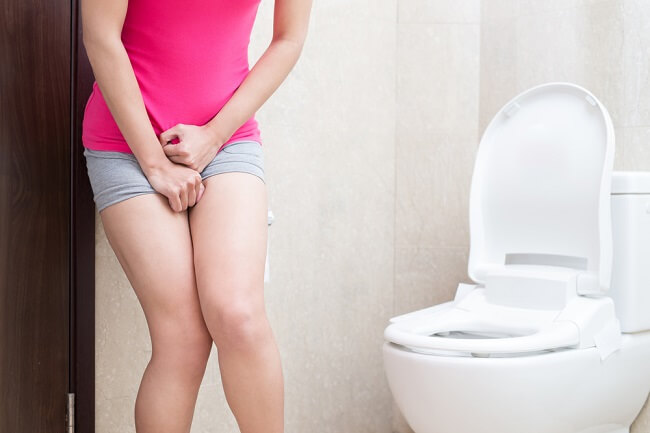
Causes of Difficult to Endure urination after childbirth
Here are some things that can cause you to have difficulty holding your pee after giving birth:
- Weakening of pelvic floor muscles after Mother of childbirth.
- Nerve damage that controls urine discharge.
- Damage or disorders of the urinary tract and bladder during pregnancy.
- An episiotomy or incision in the perineum (the part between the vagina and anus) during labor to widen the birth canal.
In addition, there are several things that can increase your risk of having postpartum incontinence, namely:
- Overweight.
- Give birth to twins.
- Give birth to a large baby.
- Give birth to two or more children normally.
- The labor process is long, so it needs to be assisted by forceps or vacuum.
- Frequent straining, for example due to constipation.
- often smoke.
If you experience this condition, you don't need to worry too much. Generally postpartum incontinence will subside by itself within a few weeks to a year after giving birth.
Here's the Way to Overcome the Difficult Persistence of Postpartum Urination
When do you need to see your doctor? The answer is if this complaint is already very annoying, for example, until Mother needs to use diapers everyday or difficulty undergoing activities because of frequent bedwetting.
To resolve the complaint, the doctor will usually suggest the following steps for treatment:
1. Kegel exercises
Exercises to increase elasticity and strength of pelvic floor muscles can be done by lying down or sitting. If lying down, you can lie down with your legs open and knees bent.
To do this, tighten the muscles around the vagina and urinary tract like when you hold your pee. Hold for a few seconds, then release. Do Kegel exercises regularly every day, several times a day.
2. Electrical stimulation therapy
In this treatment method, the doctor will deliver low-power electricity to the pelvic floor muscles of the Mother, so that the muscles contract like when doing Kegel exercises. This can help tighten the pelvic floor muscles, so that the Mother will be stronger holding back urination.
3. Pregnancy ring
Pregnancy birth control can also be used to relieve postpartum incontinence. This small ring-shaped device made of silicon acts to slow the passage of urine from the urinary tract.4. Collagen injections
These injections play a role in strengthening the tissue around the bladder. However, this procedure is not recommended for young women who still want to have children.
5. Operations
The operation can be done if other handling methods do not succeed in overcoming a difficult complaint to hold pee. With surgery, the doctor will install aids or inject drugs into the urinary tract and pelvic floor muscles. The aim is to increase the strength of the pelvic floor muscles in order to hold pee.
For optimal treatment results, you must also change your lifestyle to be healthier, such as reducing caffeine consumption, not smoking and avoiding cigarette smoke, not consuming alcohol, and limiting spicy foods and soft drinks. In addition, keep your body weight ideal, so that the pelvic floor muscles do not weaken.By living a healthy life and obeying the advice of a doctor, generally postpartum incontinence will recover quickly, so you can return to your activities without fear of not being able to control urination. Come on, Bun, keep the spirit of caring for the Little One even though the body still needs to adapt to changes after giving birth.
Label : Family


Comments
Post a Comment