Get to know the structure of human skin and its functions
Hair dye allergies can cause a stinging or burning sensation, blisters, and swelling on the scalp, face, or neck. For those who often change hair color, this condition will definitely make you uncomfortable and make you wonder, can a hair dye allergy be cured?
Most cases of hair dye allergies are caused by substances paraphenylenediamine (PPD). When paint is applied to hair, the chemicals will partially oxidize and cause an allergic reaction. in sensitive people. Apart from hair dye, PPD can also be found in temporary tattoo ink, printer ink, and gasoline.
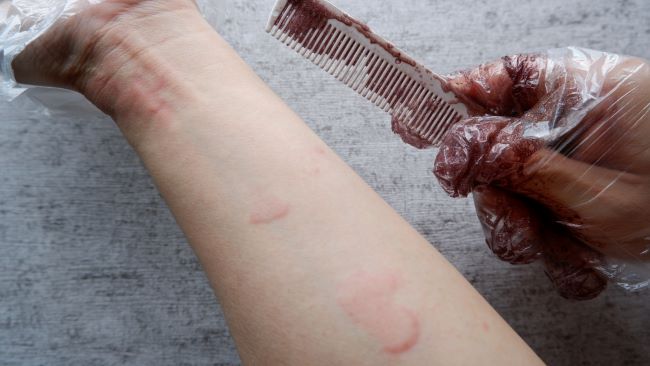
Healing Hair Dye Allergies
The question that made you stop by this article, is whether hair dye allergies can be cured? Well, basically, allergies cannot be cured, right? However, you can control the symptoms when they appear and prevent allergies.
People who experience hair dye allergies usually experience various symptoms after coloring their hair, including:
- Stinging or burning sensation on the scalp, face and neck
- Blisters appear on the skin around the hair
- Itching or swelling of the scalp, eyelids, lips, hands, or feet
- Red rash on any part of the body
In severe symptoms, hair dye allergies can cause anaphylaxis. Symptoms of anaphylaxis include swollen throat and tongue, difficulty breathing, confusion, nausea, vomiting, and even fainting. This condition needs to be treated immediately by a doctor because it can be fatal if left unchecked.
How to Treat and Prevent Hair Dye Allergies
Generally, symptoms of hair dye allergies will appear immediately or within 48 hours after your hair is colored. If the symptoms are mild, you can use the following methods to relieve them:
- Wash your hair with shampoo until the remaining paint remaining on your hair and scalp is completely removed.
- Apply petroleum jelly onto skin exposed to paint.
- Apply corticosteroid cream or ointment to the area of skin that is experiencing allergies.
- Take antihistamine medication that can be purchased at the pharmacy.
If these methods don't improve your condition, don't hesitate to consult doctor. The doctor will then diagnose the cause of the allergy and provide appropriate treatment.
Meanwhile, to prevent recurrence of hair dye allergies, you need to avoid all a type of dye that contains PPD. Even though it says "natural" or "herbal" on the packaging, hair dye can still cause allergic reactions if it contains PPD.
In hair dye products, you need to be aware of PPD which can be written with various terms, such as phenylenediamine, paraphenylenediamine, PPDA, p -diaminobenzene, p-phenylenediamine, 4 -phenylenediamine, 4-aminoaniline, 1,4-diaminobenzene, 1,4-benzenediamine.
So, it's very important to pay attention to the ingredients listed on the packaging if you have an allergy to hair dye. You should also avoid using dark colored hair dyes, because the PPD content in them is higher. higher than light colored hair dye.
Please remember that PPD is not the only allergen that triggers hair dye allergic reactions. Some people can also experience allergy symptoms when exposed to ammonia, resorcinol, and hydrogen peroxide from hair dye.
A safe alternative to dye if you have a hair dye allergy is vegetable hair dye or pure henna. However, make sure the dye is truly natural and free of added chemicals.
Label : Healthy living


Comments
Post a Comment