4 Potent Toothache Medicine
There are various types of drugs scavities to relieve pain that can interfere with activities. The toothache medicine for cavities can be easily purchased at a pharmacy or obtained with a doctor's prescription.
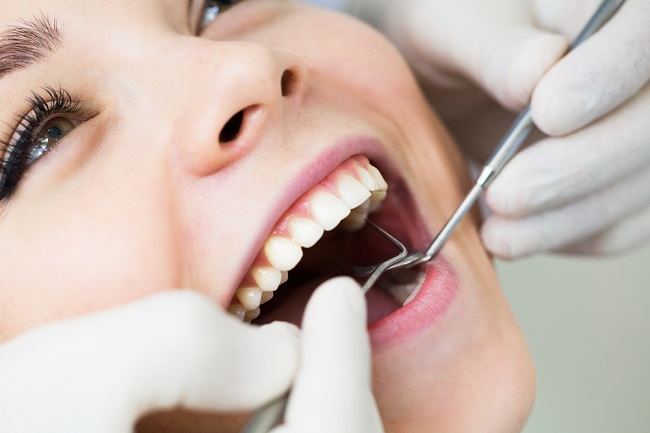
However, if self-care and consumption of cavities medicine still cannot overcome the pain, or if the complaint is accompanied by swollen gums and fever, further treatment from the dentist is needed.
The doctor can provide treatment , including prescribing additional cavities medicine in the form of antibiotics to treat the causes of cavities.
Various Choices of Cavity Toothache Medicine
The following are some toothache medications perforated to relieve complaints:
1. Ibuprofen
Ibuprofen is the most commonly used cavities medicine. Ibuprofen is a non-steroidal anti-inflammatory drug (NSAID) that is effective in reducing inflammation and pain due to cavities.
This drug can be found in various preparations, such as tablets, capsules, and syrup.
2. Mefenamic acid
Apart from ibuprofen, mefenamic acid also belongs to the NSAID group which is often given by doctors as a medicine for cavities.
Mefenamic acid works by inhibiting the production of prostaglandins, so that inflammation and pain in the teeth is reduced. This drug is also available in the form of capsules, syrup, and tablets.
3. Paracetamol
Apart from reducing fever, paracetamol is also useful for relieving pain due to cavities. However, paracetamol cannot relieve inflammation or swollen gums which usually accompany cavities.
4. Antibiotics
In addition to the above drugs, antibiotics may also be needed. This drug will usually be prescribed by a doctor if cavities are accompanied by infection, especially if the infection has spread or is accompanied by fever or swelling of the gums or face. , amoxicillin, and metronidazole.
Natural Tips to Relieve Cavities
In addition to taking cavities, you can use the following natural ways to help temporarily relieve pain:
1. Gargling with salt water
Saline water is a natural antibacterial that can help reduce inflammation, as well as clean food debris and dirt stuck between the teeth. To make salt water, dissolve ½ teaspoon of salt in a glass of warm water.
2. Applying clove oil
Clove oil contains eugenol which is a natural antiseptic. Besides being able to eradicate bacteria, clove oil also helps reduce inflammation and gives a numbing effect to painful areas.
You can mix 15 drops of clove oil with 30 ml of coconut oil. Then, dip a cotton ball into the mixture and apply it on the teeth.
3. Chewing guava leaves
The antibacterial content in guava leaves is beneficial to help eradicate the bacteria that cause dental plaque. You can chew guava leaves directly, or make a mouthwash by boiling them first.
4. Cold compresses
Cold compresses are useful for relieving pain, as well as reducing swelling and inflammation. To make a cold compress, wrap ice using a towel, then apply it to the painful area for 20 minutes. Cavities generally occur due to poor dental hygiene. Therefore, keep your teeth and mouth clean in the following ways:
- Brush your teeth 2 times a day using toothpaste that contains fluoride
- Grinding with mouthwash
- Routine cleaning between the teeth using dental floss
- Reducing intake of foods or drinks that contain high sugar
- Performing regular dental checks to the dentist at least once every 6 months
Treating your teeth as early as possible is better than treating toothaches or cavities. If cavities have occurred and you have tried using cavities medicine but the complaint doesn't improve, don't delay going to the dentist. The doctor will provide further treatment according to your condition.
Treatments for cavities that doctors can give include fluoride treatment, tooth fillings, crownor installation dental crowns, root canal treatment, and tooth extraction. The action needed depends on how severe the cavities are.
Label : Health


Comments
Post a Comment