Although Small, Anchovy Contains Nutrition Important for Children, You know!
Some mothers do not think of giving anchovy as their baby food menu. In fact, even though the size is mini, anchovy contains nutrients needed by children, lho.
Anchovy ( Stolephorus sp) or anchovies have a silvery scales color with a turquoise back. In Indonesia, these small fish averaged 6-7 cm in size and are found in several waters, such as waters in Sumatra and Java.
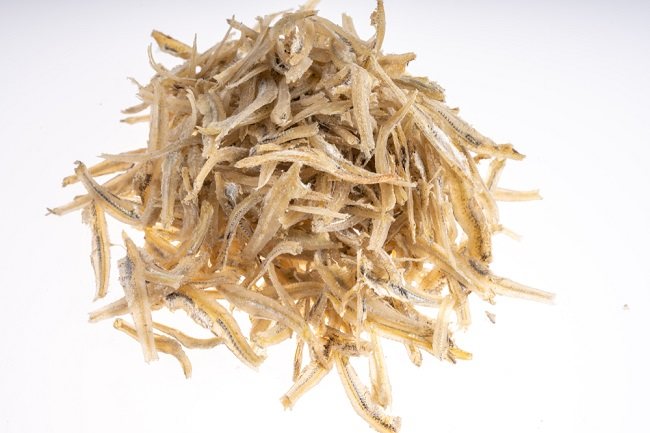
A series of Nutrients in Anchovy
Compared to other large fish, anchovy has a relatively cheap price and is easier to find. These fish also tend to contain little mercury due to their small size.
Well, here are some nutrients found in anchovies:
1 Calcium
In 1 portion of anchovy (± 30 g) contains about 50 mg of calcium. These calcium levels are higher than salmon and tuna, you know. Therefore, anchovies can be a good source of calcium for children.
Calcium plays a role in building strong bones and teeth, maintaining heart health, and making nerves and muscles work properly. This nutrient is also needed by children to protect them from rickets.
2. Omega-3
Omega-3 fatty acids are a good type of fatty acids that children need for growth and development, especially in the brain. Not only that, omega-3 fatty acids are also useful for improving sleep quality, increasing focus, and reducing the risk of asthma in children.
Rarely do people know that anchovies can be a source of omega-3s for children, whereas in 1 portion of anchovies contained 0.42 g of omega-3 fatty acids. This amount is equal or even higher than most other fish.
3. Protein
The protein content of anchovy is almost on par with other fish. Every 100 g of anchovies contains 20 g of protein. However, because the portion of anchovy is smaller, another protein source is needed to meet the child's daily needs.
Protein is needed by children as an energy source and to maintain body tissues, prevent hair loss, support skin health, and support growth child development.
4. Iron
The presence of iron is very important in the formation of hemoglobin, which is a component of red blood cells that functions to carry oxygen throughout the body. Therefore, iron deficiency can have an impact on the growth and development of children.
In 1 portion of anchovies, contained about 1-2 mg of iron. This is almost equivalent to the iron content in one serving of spinach, you know, Bun. So, anchovy can also be used as a source of iron for Little, especially if he does not like vegetables.
5. Vitamins A, E, and K
Anchovy also contains vitamins, namely A, E, and K. In 1 portion of anchovy, contained about 5 µg of vitamin A, 0.2 mg of vitamin E, and 0.03 µg vitamin K. Although not too high, this amount can still help meet daily vitamin needs along with other nutritious foods.
These three vitamins have their respective roles. Vitamin A has an important role in the function of vision, normal growth and development, as well as repairing tissues and bones.
Vitamin E acts as an antioxidant to protect body cells from damage caused by free radicals and helps support the health of red blood cells , while vitamin K is responsible for the process of blood clotting and stopping bleeding due to injury or injury.
After knowing the nutrients contained in anchovies, Mother now can try to give this small fish in the Little Menus food menus . There are many, you know, recipes that you can try.
Because it tastes strong and tasty, you can make it a topping for a salad or stir-fry. vegetables, so that Little One can be more interested in eating vegetables. In addition, Mother can also fry it to be used as a snack or make it a mixture in fried rice.
However, if your child experiences symptoms such as itching, redness on the skin, to shortness of breath after consuming anchovies, the possibility he has an allergy to this fish. If this happens, immediately take him to the doctor to get treatment, yes, Bun.
Label : Family


Comments
Post a Comment