Types of Vaccines for Pregnant Women and their Benefits
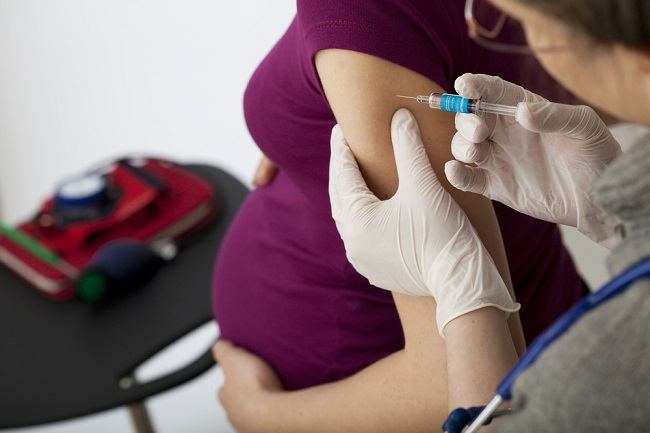
Many ask, do pregnant women need to vaccinate? The answer is yes. Vaccines for pregnant women are needed because mothers are pregnant at risk of infection that can affect the condition of the fetus , such as congenital abnormalities, miscarriage, premature birth , and low birth weight.
In principle, the vaccine will benefit the fetus and newborns through passive transfer of immunity (antibodies) through the placenta (the placenta). The vaccine can also protect pregnant women from dangerous diseases caused by infections, such as tetanus, diphtheria, pertussis, pneumococci, meningococci, and hepatitis.
Vaccinations that need to be administered before pregnancy
Vaccination is actually not only recommended for pregnant women, but also for women who are planning a pregnancy. The recommended vaccination in this phase is an inactive influenza vaccine.
Influenza vaccine can prevent pregnant women from getting respiratory infections due to influenza virus. This is important because fever in pregnant women due to infection, including influenza, can cause interference with the fetus, even disability.
In addition, influenza vaccine in pregnant women also protects their babies from influenza during the first few months after birth, where this vaccine cannot be given directly to infants.
Vaccinations Recommended for Pregnant Women
To protect pregnant women and their fetuses from disease, there are several types recommended vaccines to give during pregnancy, namely tetanus toxoid - diphtheria toxoid vaccine - acellular pertussis (Tdap), pneumococcal, meningococcal, hepatitis A, and hepatitis B.
Tdap vaccine is recommended for those aged 27-36 weeks to maximize the body's immune response and increase antibody transfer to the fetus. In remote areas with incomplete vaccine facilities, tetanus toxoid vaccine can be given 2 times with a distance of 4 weeks.
Pneumococcal vaccine, meningococcal, hepatitis A and B are given to pregnant women who have certain risk factors, such as suffer from HIV, have chronic liver disease, or are at risk of contracting sexually transmitted diseases.
Although vaccination still needs to be done during pregnancy, not all vaccines may be given to pregnant women. One of them is a human papilloma virus (HPV) vaccine to prevent infection with the HPV virus that can cause cervical cancer. New HPV vaccine may be given after delivery or while breastfeeding.
Other vaccines that are not recommended for pregnant women are vaccines that contain live germs, such as Mumps-Measles-Rubella (MMR) , varicella (chickenpox), and active influenza vaccine. Vaccination for pregnant women can protect pregnant women and fetuses from disease. But remember, not all vaccines are safe given to pregnant women. Therefore, consult with your obstetrician to find out what vaccinations you need to undergo during pregnancy, along with the schedule for administration.
Written by:
Dr. Aditya Prabawa, SpOG
(Gynecologist)


Comments
Post a Comment