Pregnant women can experience heart muscle disorders
Towards labor, some pregnant women can experience weakened heart muscle. This condition is better known as peripartum cardiomyopathy. However, this condition rarely occurs. To better understand it, see the following explanation. what happens to pregnant women.
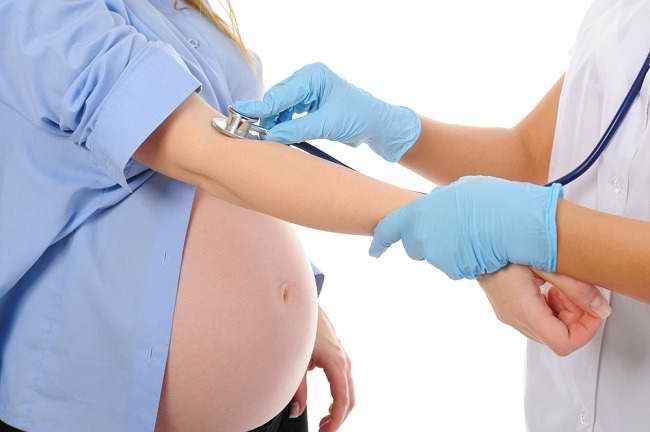
This condition occurs when the heart muscles stretch and thin, causing the rooms in the heart to widen. As a result, the heart's organs cannot drain blood optimally.
If not treated immediately, the disease of peripartum cardiomyopathy and other types of cardiomyopathy can cause dangerous complications, such as irregular heartbeat, heart valve abnormalities, heart failure, to sudden cardiac arrest.
Get to know Peripartum Cardiomyopathy
Peripartum cardiomyopathy is a heart muscle disorder that rarely occurs. This condition usually occurs at the end of pregnancy, up to five months after giving birth.
Until now, no exact cause of peripartum cardiomyopathy has been found. Even so, this condition is believed to occur due to the performance of the heart muscle which becomes heavier during pregnancy.
When pregnant, the heart muscle will pump blood up to 50 percent more. This is because the body has an additional burden in the form of a fetus that must get a supply of oxygen and other important nutrients. Pregnant women who experience peripartum cardiomyopathy, will usually experience symptoms similar to heart failure symptoms, including feeling extreme fatigue, rapid heartbeat, shortness of breath, and swelling of the legs and ankles.
Reduce the Risk of Peripartum Cardiomyopathy in This Way
When you are pregnant, you can still reduce the risk of peripartum cardiomyopathy by avoiding the risk factors. The following can be done to prevent the occurrence of peripartum cardiomyopathy:
- Monitor weight gain during pregnancy. Gaining too much weight can put an extra burden on the heart.
- Stop smoking, consume alcoholic beverages, and use certain drugs.
- Meet the need for nutrition during pregnancy with eat nutritious foods, including vegetables and fruits.
- Take adequate rest and avoid heavy physical activity.
- Manage stress well.
- Routine consult to a gynecologist during pregnancy, especially if you have a history of certain diseases, such as high blood pressure, diabetes, and a history of heart problems.
- Take medication according to a doctor's prescription, if recommended.
- Limit eating foods or drinks that contain salt (sodium), to keep the pressure in the blood is not high.
In fact, women who have experienced peripartum cardiomyopathy have a risk of experiencing it again in the next pregnancy. Therefore, doctors do not encourage women who have experienced peripartum cardiomyopathy to become pregnant again.
Label : Family


Comments
Post a Comment