6 Causes of Cataracts in Cats and How to Overcome Them
Cataracts in cats can be caused by many things, ranging from certain diseases to genetic factors. This condition needs to be watched out for because it can cause blindness in cats. Know what causes cat cataracts and how to overcome them.
Cataracts are a condition when the normally clear lens of the eye turns cloudy. Not only humans, this eye disease can also affect animals, including cats. In the early stages, cataracts in cats are generally asymptomatic and do not interfere with vision.
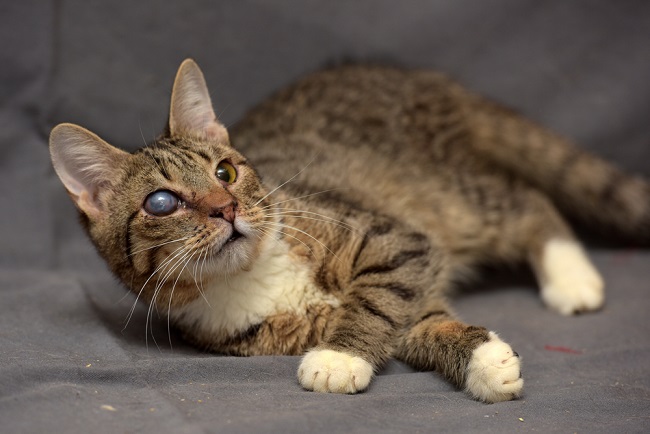
However, if it gets worse or affects most or all of the lens of the eye, cataracts can make a cat's eyes appear cloudy, whitish or yellowish. This condition can make cats experience visual impairment or even blindness
When their eyesight is impaired, cats will more often bump into objects in front of them or find it difficult to recognize other cats or people. Not only that, cats with cataracts will also appear more passive and don't want to play
Causes of Cataracts in Cats
There are various factors that can increase the risk of developing cataracts in cats, including:
1. Disease
One of the most common causes of cataracts in cats is inflammation that occurs inside the eyeball or uveitis. This can occur as a result of an injury to the eye or other conditions, such as an autoimmune disorder
In addition, cataracts in cats can also be caused by various other diseases, such as diabetes, hypertension, or metabolic disorders.
2. Radiation exposure
Prolonged exposure to ultraviolet (UV) light is known to damage the cornea and lens of the eye more quickly. This can make the lens of the eye cloudy, causing cataracts in cats.
In addition to causing cataracts in animals, such as cats and dogs, prolonged exposure to UV rays is also one of the causes of cataracts in humans.
3. Nutritional deficiencies
The next cause of cataracts in cats is a lack of nutrition. Some research says that cats are more at risk of developing cataracts if they lack protein, omega-3, vitamin A, vitamin E, calcium, or antioxidants.
Therefore, it is important to always have enough nutrition for your beloved cat so that he is healthy and avoids cataracts
4. Age
Similar to dogs, cataracts in cats can also be caused by aging. Cataracts are more common in cats that are older or over 10 years old. This happens because the aging process can make the lens of a cat's eye more easily damaged and cloudy
5. Injuries
Injury to a cat's eye, for example due to exposure to toxic substances, injecting a foreign object, or electric shock, can also cause the lens of the eye to become damaged and cloudy. If left untreated, an injury to a cat's eye can cause permanent damage to the lens of the eye, including cataracts.
6. Genetic
Genetic factors are also one of the factors that can cause cataracts in cats. A cat is at increased risk of developing cataracts, if its mother also had cataracts.
In addition, some cat breeds, such as Persian, Birman, Himalayan, Bengal, Russian blue, Bobcat, and British shorthair, are also more prone to developing cataracts.
How to Overcome Cataracts in Cats
Treatment of cataracts in cats generally needs to be adjusted to various factors, such as the severity, the cat's visual function, and the causative factors. This can be determined after the veterinarian has conducted a medical examination on the cat.
If cataracts only occur in one of the cat's eyes, the vet may not provide special treatment because the cat usually can still adjust to see with the other healthy eye.
However, cataracts that occur in both eyes of a cat or are caused by certain diseases generally need to be treated in several steps, namely:
administration of drugs
Doctors will usually provide treatment to treat the causes of cataracts in cats. For example, if it is caused by inflammation of the eye, the doctor can give nonsteroidal anti-inflammatory eye drops or corticosteroids.
Meanwhile, for cataract cases caused by malnutrition, the doctor can provide additional nutritional supplements or vitamins and suggest a diet that suits your cat's needs.
Eye surgery
This is the main step in treating cataracts in cats. Before carrying out the operation, the doctor will conduct a thorough examination to determine whether your cat's condition is feasible and safe to undergo this procedure.
Some of the causes of cataracts in cats, such as malnutrition and diabetes, can be prevented by providing healthy and nutritious food. However, other factors such as genetics and aging generally cannot be prevented.
If your cat has symptoms of cataracts, such as the eyes appear white or cloudy, it is difficult to see so it often bumps into objects in front of it, or it becomes less playful and less willing to interact, you should consult your cat to the vet so that the cause can be found out.
p> Label :
Comments
Post a Comment